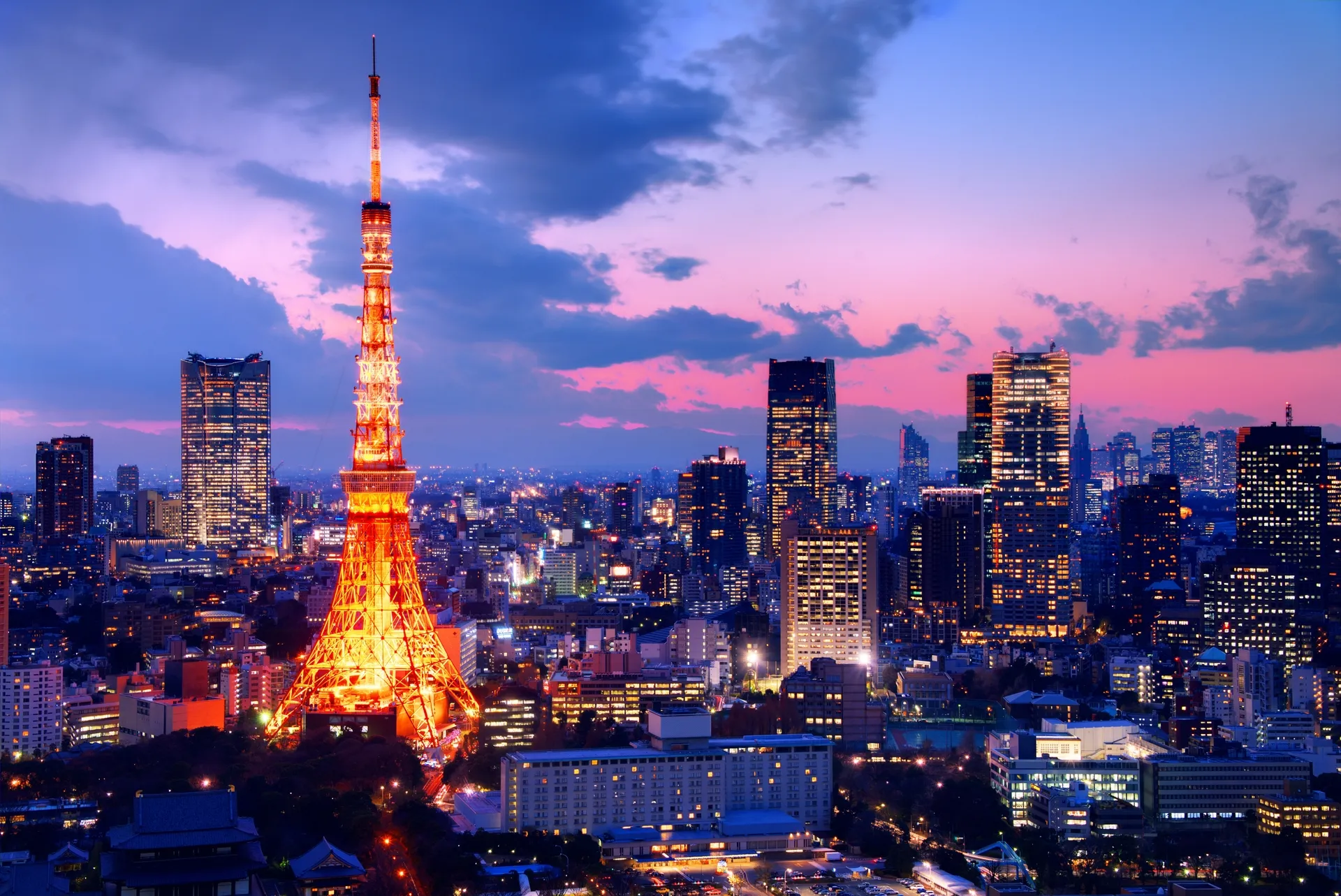
Six Centuries Older Than the Tower Beside It
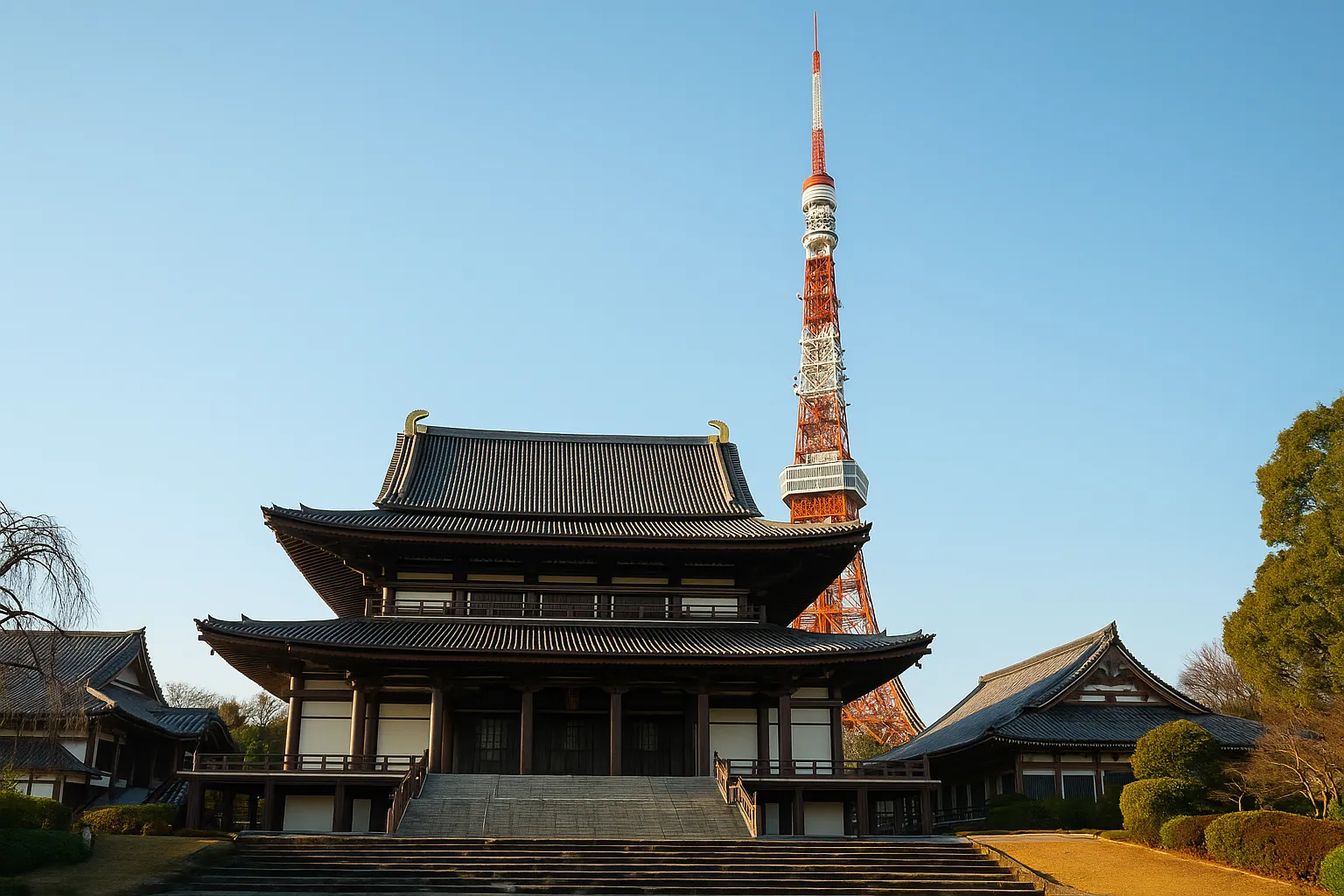
Zojoji Temple was founded in 1393 and moved to its present site in 1598, when Tokugawa Ieyasu — the shogun who unified Japan — chose it as his family temple. It is one of the two grand head temples of Jodo-shu (Pure Land) Buddhism, and for over two centuries it sat at the spiritual heart of the Tokugawa shogunate: six shoguns are buried in its mausoleum, just behind the main hall.
Then, in 1958, a 333-meter orange-and-white broadcasting tower rose directly behind it. The result is one of Tokyo's defining images: a 17th-century temple gate framing a Space-Age silhouette — four hundred years of the city in a single photograph.
What to See at Zojoji
- Sangedatsumon Gate (1622) — the oldest wooden structure in Tokyo and an Important Cultural Property. The name means "gate of liberation from the three passions": greed, anger, and foolishness. Walking through it is the classic approach.
- The Main Hall (Daiden) — rebuilt in 1974 after wartime destruction, housing the temple's principal Amida Buddha image. The tower looming behind it is the photo everyone takes; our photography guide covers the best angle and light.
- The Tokugawa Mausoleum — the graves of six shoguns and their families, behind the main hall (small admission, typically daytime hours).
- The Jizo statue garden — hundreds of small stone Jizo figures in red knit caps, holding pinwheels that spin in the wind. They honor unborn and lost children; treat the rows with quiet respect. It is one of the most moving corners of central Tokyo.
- Daibonsho Bell (1673) — a 15-ton giant counted among the "three great bells of Edo," rung 108 times at New Year.
Visiting Zojoji
Cost: the grounds are free. The Treasure Gallery and mausoleum charge small admissions.
Hours: the grounds open from early morning until early evening; the main hall generally receives visitors from 9:00 AM. Check the temple's notices for ceremonies — it remains an active place of worship.
Getting there: the same stations that serve Tokyo Tower — Akabanebashi (Oedo Line, 5 min), Onarimon or Shibakoen (Mita Line, 3–5 min), Daimon (Asakusa/Oedo, ~7 min). From the tower itself it's a five-minute level walk through Shiba Park.
When: early morning is calmest, with soft light on the gate. Cherry blossoms in late March–early April fill the courtyard; New Year (hatsumode) and Setsubun (February 3) bring the biggest crowds and the most atmosphere.
More quiet corners within a ten-minute walk — including Atago Shrine's "stairs of success" — are mapped in our offbeat gems guide.
Tours That Include Zojoji
Two well-reviewed options pass through the temple grounds with a guide, if you'd rather have the history narrated:
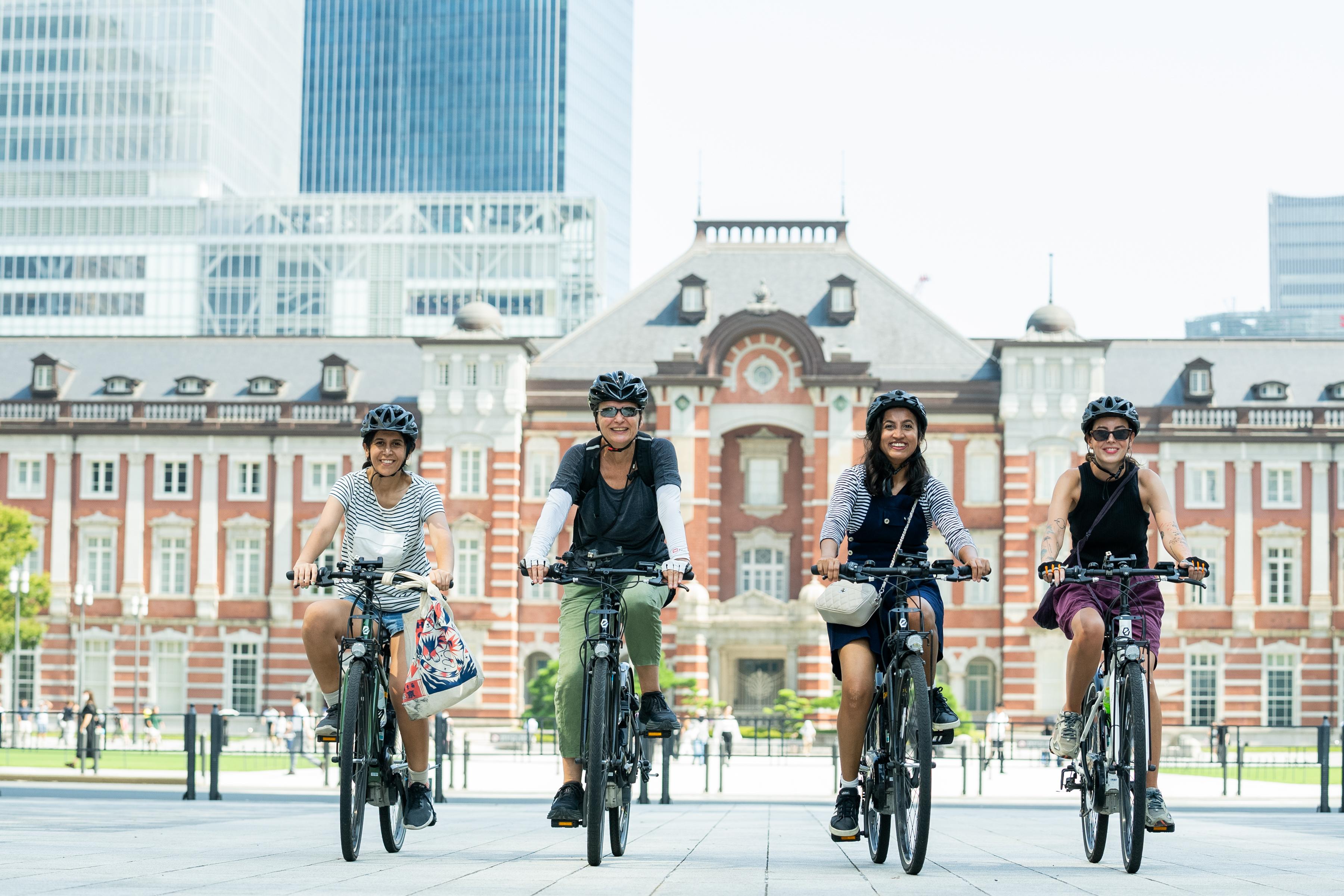
Tokyo Top Highlights 3h Guided E-bike Tour
★ 4.8 (397 reviews) · from $59
Three hours by e-bike through the city's headline sights — including Zojo-ji Temple and Shiba Park — with a guide who handles the traffic and the stories.
Check availability →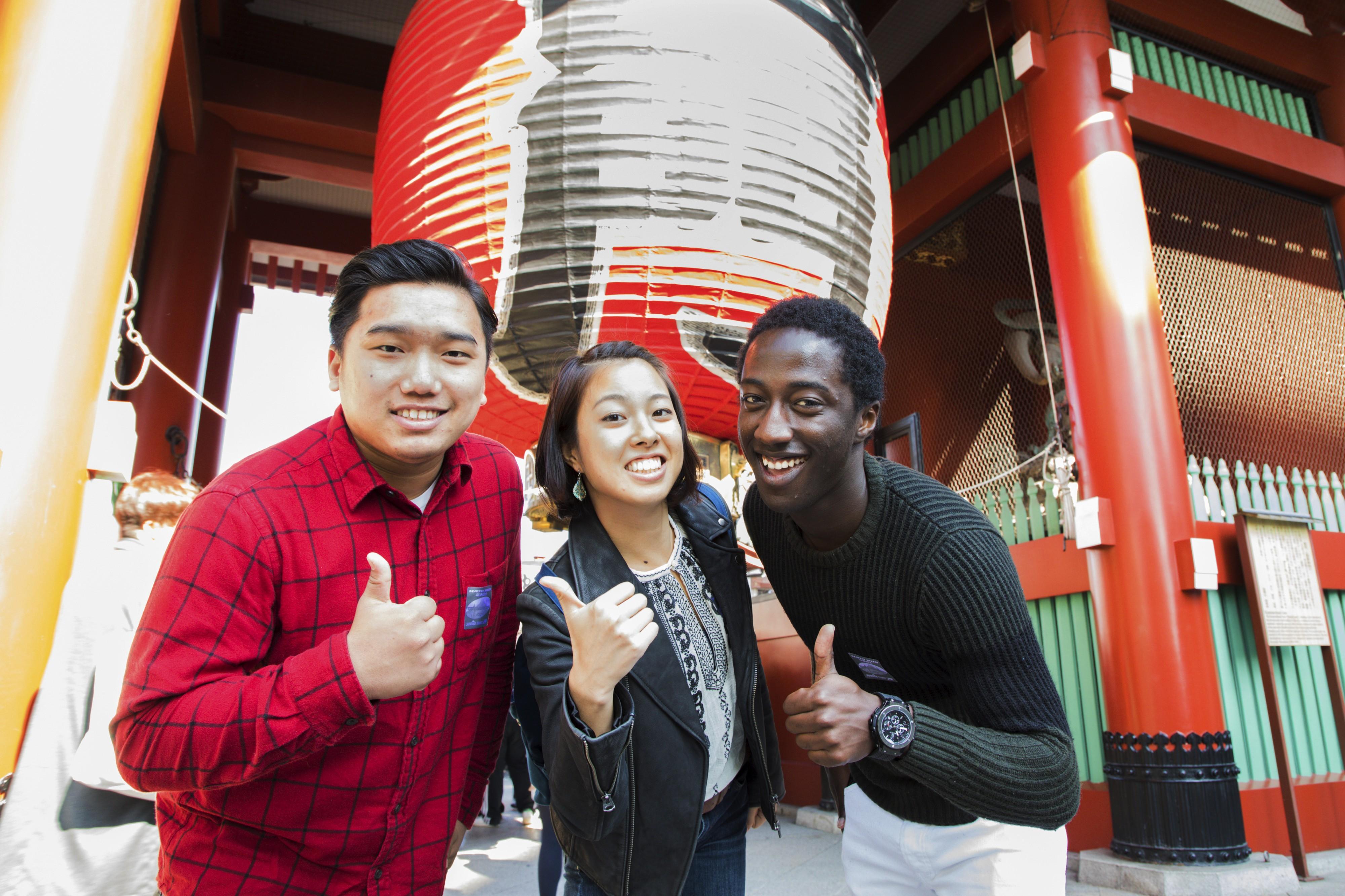
Morning Bus Tour Imperial Palace, Asakusa,Tokyo Tower
★ 4.6 (300 reviews) · from $39
The classic morning bus loop: Imperial Palace grounds, Asakusa, and the Tokyo Tower district in one easy half-day.
Check availability →